- RR Nagar, Bangalore - 560098 Karnataka India
- 8:00am : 9:00pm Mon-Sun

Muay Thai, Thailand’s national sport, is known as the “Art of Eight Limbs” because practitioners use eight points of contact: fists, elbows, knees, and shins. Unlike Western boxing (two points) or traditional martial arts (four points), Muay Thai offers a complete striking system that combines cardio, strength training, and meditation.
| Aspect | Muay Thai | Standard Gym Workout |
|---|---|---|
| Calories burned/hour | 600–800 | 250–300 |
| Training type | Aerobic + anaerobic + strength | Mostly one focus |
| Self-defense | Comprehensive striking | Limited |
| Equipment needed | Minimal | Often more |

Muay Thai and combat sports in India are growing rapidly. More athletes are training seriously, gyms are improving in quality, and competitive intent is rising across the country. Participation is increasing, local competitions are becoming more frequent, and there is a clear shift toward higher standards of training and discipline.
Participation is rising rapidly across the country
Local competitions more frequent, standards improving
Limited representation at higher international levels
No consistent pathway to global competition yet
Muay Thai gyms and training centers have surged in major cities:
Bengaluru (hosted the 6th Golden Mongkhon Title Belt Championship 2026)
Mumbai
Delhi
Chennai
Hyderabad
Northeast India (especially Imphal, where the Amateur Muay Thai Association India is headquartered)
Founded: 2022 (hosting events in India since 2010)
Recognition: World MuayThai Federation (WMF)
Focus: Grassroots-to-pro athlete development, national championships, international pathways
India's first World Champion: Thirubalachandra
Coordinates international representation
Participates in IFMA championships and Asian Muay Thai Championship

| Championship | Type | Purpose |
|---|---|---|
| Golden Mongkhon Title Championship | National | Selects fighters for World Muay Thai Championship in Thailand |
| Quad Zone Championship | Regional | Grassroots talent development |
| Dyad Muay Thai Championship | Amateur | Helps new fighters gain structured experience |
Indian fighters also compete globally at the World Muay Thai Championship and Asian Muay Thai Championship
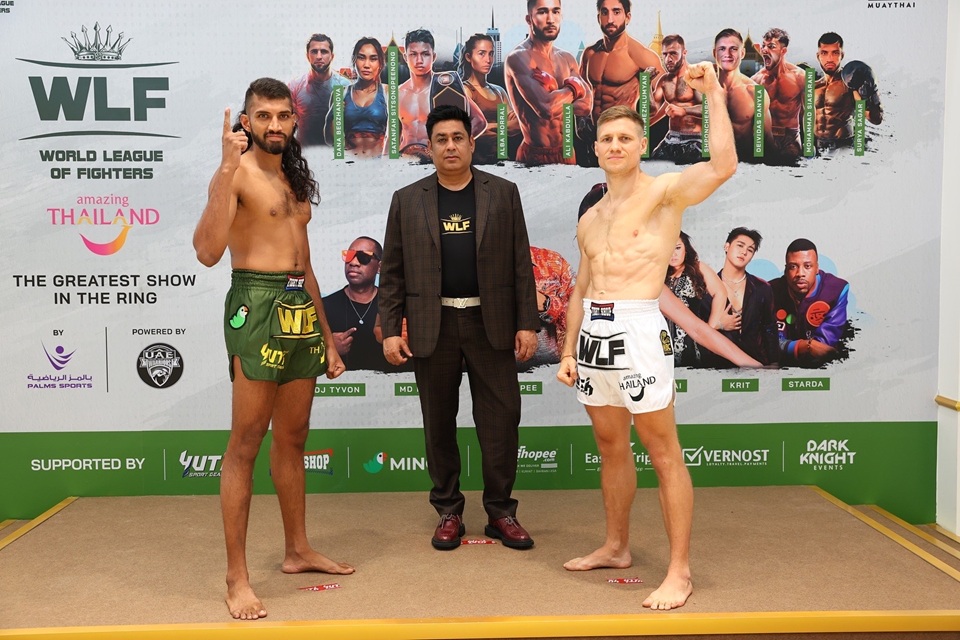
Muay Thai has a fascinating link to India dating back to ancient Silk Road trade routes. Indian martial arts influenced Muay Thai's development, and vice versa.
Introduced to India: 1970s–1980s via Thai cultural exchange
Gained popularity: 1990s in Mumbai, Delhi, Bangalore, Northeast, and Rajasthan
First Indian master: Recognized by Thailand Bureau of Sports and World Muay Thai Academy
Muay Thai’s future in India looks bright. While challenges like government recognition and sponsorship remain, organizations like GMI are creating structured pathways for fighters.
“Muay Thai is no longer just an emerging sport in India—it is a movement. With rising interest from athletes, fitness enthusiasts, and combat sports fans, it is here to stay.”
“Whether you're looking for effective self-defense, a high-intensity workout, or a path to professional competition, Muay Thai in India offers growing opportunities in cities across the country.”
Building the Future of Muay Thai in India
